

thaddeus536720
About thaddeus536720
Developer – Calm down, It is Play Time!
Every few years the housing market rewrites the rules, and buyers who learned the last set of rules show up unprepared for the new ones. Right now, the rules have changed more than they have at any point in a generation. The buyers who understand that are finding deals. The ones who do not are making expensive mistakes.
The arithmetic here is brutal and worth understanding clearly. A buyer who financed a $400,000 home at three percent in 2021 pays roughly $1,686 per month on principal and interest. That same loan at a seven percent rate costs $2,661. The difference between those two payments explains why so many potential sellers are sitting tight. Volume collapsed. Prices mostly did not.

Before you look at a single listing, get your financing fully sorted. Not a rough estimate. Not a verbal confirmation from a loan officer you met once. A full pre-approval based on verified income, tax returns, bank statements, and a hard credit pull. In this market, a seller who receives an offer without that documentation will not take it seriously.
The inspection is where the marketing copy meets reality. Be there with the inspector and ask questions throughout. A good home inspector will walk you through what they are finding as they go, and those few hours will shape your understanding of the home for as long as you own it.
Negotiation works best when it is quiet and well-prepared. Before you make an offer, find out whether the price has been reduced and by how much. A listing with a history of two failed deals in the past month is a fundamentally different negotiation than a property that is drawing multiple showings every day.
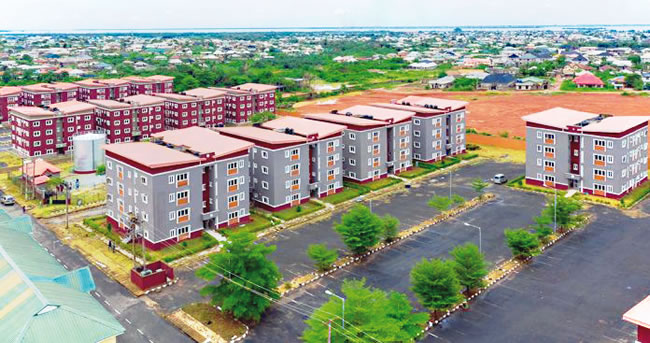 The timing question, whether to buy now or wait for rates to come down, is the one that trips up more buyers than any other single factor. No one consistently times the real estate market. The more useful question is not whether now is the right time in the abstract; it is whether the home works for your actual life for the next five to seven years.
Real estate rewards preparation more than it rewards timing. Waiting for a better market is a reasonable position only if your personal situation supports it, otherwise you are just paying rent while prices hold. Start by browsing current homes for sale and market resources to build a realistic picture of your options.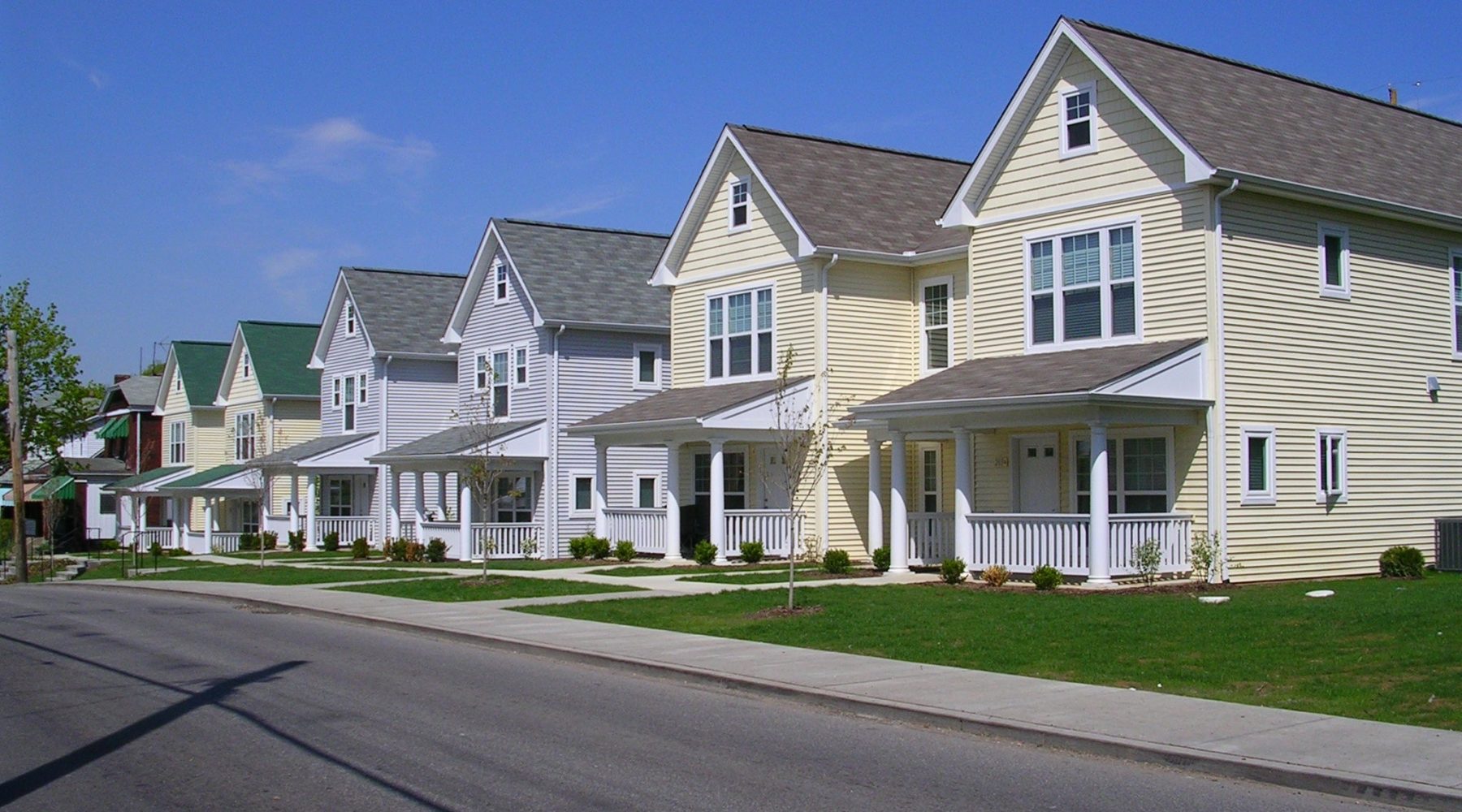
No listing found.